
Surviving Complexity
Apple TV problem (technical bleg)
A few months ago, I wrote a post contrasting my experience with setting up and using an Apple TV (v2) device vs. setting up and using a Roku 2 streaming device. The Apple TV device came out very favorably, and while I did get the Roku 2 to finally update its software and start functioning, […]
Why Apple wins
Last spring, I bought an Apple TV device to go along with a new large-screen TV in our living room. Setup was simple, and I kept discovering new things that I could do with it. It gets used a lot more than either the Blu Ray player or the DirecTV satellite box also attached to […]
The Thermocline of Knowledge

I’ve written here before about the thermocline of truth. The webcomic Partially Clips gives a different, humorous slant; click on the comic to view it in full size. ..bruce..
The Sessions paper: an analytical critique
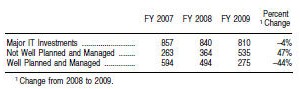
Roger Sessions has published a white paper, “The IT Complexity Crisis: Danger and Opportunity” (PDF). It’s created a bit of a stir in tech circles, largely because Sessions estimates that “worldwide, we are already losing over USD 500 billion per month on IT failure, and the problem is getting worse” (page 1; emphasis in original). […]
Book review: “Why New Systems Fail”
My review of Why New Systems Fail by Phil Simon is now up on Slashdot. Here’s the opening paragraph: Over the last forty years, a small set of classic works on risks and pitfalls in software engineering and IT project management have been published and remained in print. The authors are well known, or should […]